
The Foxconn Automation Core Technology Exchange Conference (Vietnam), themed ‘Smart Manufacturing, Collaborative Innovation: Uniting Forces for Mutual Success’, has concluded successfully!
—1 June 2026
As the global manufacturing landscape undergoes a profound restructuring, Vietnam is evolving from a processing and assembly hub into a global hub for electronics, new energy and high-end manufacturing. On 29 May, the ‘Smart Manufacturing Chain Dynamics: Uniting Forces for Mutual Success – Foxconn Core Automation Technology Exchange’, organised by Foxconn Central Smart Manufacturing, co-organised by Yunzhihui Technology and held in strategic partnership with Transmission Network, concluded successfully at the Mang Thanh Hotel in Bac Ninh, Vietnam.
This major event brings together over 600 industry leaders and more than 30 global exhibitors. Featuring four themed exhibition zones and ten specialist presentations, it addresses three key challenges facing Vietnam’s manufacturing sector: inconsistent levels of automation, lengthy technology implementation cycles, and insufficient local supply. The event serves as an international platform for technical exchange, supply-demand matching and ecosystem collaboration, providing a powerful impetus for joint Sino-Vietnamese smart manufacturing ventures and industrial upgrading across Southeast Asia.
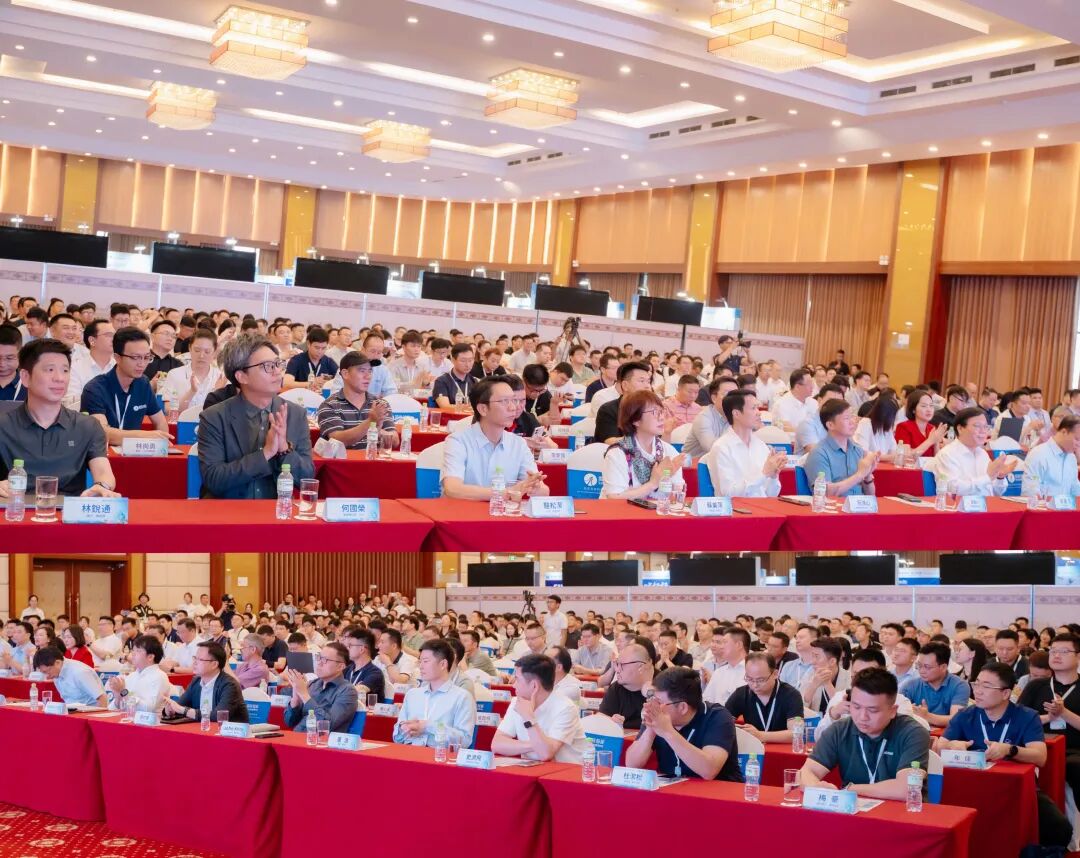
The event was characterised by a constant exchange of ideas and a wealth of practical insights. Ten industry leaders took to the stage in turn to deliver in-depth presentations on cutting-edge topics such as automation, robotics, smart logistics, magnetic drive conveyance and AI-powered smart factories. Drawing on practical experience and technical expertise, they provided clear theoretical underpinnings and actionable pathways for the high-quality upgrading of Vietnam’s smart manufacturing sector.
At the start of the event, Dr Wang Shuhua of Foxconn Technology Group and Mr Mei Shan, Deputy Governor of the People’s Committee of Bac Ninh Province, Vietnam, delivered speeches in turn.
Dr Wang Shuhua stated that Foxconn is guided by its ‘3+3+3’ strategy, focusing on AI, semiconductors and next-generation communications, whilst expanding into the three key sectors of electric vehicles, digital health and robotics. In response to global challenges such as labour costs and the demand for flexibility, Foxconn has launched the ‘Foxconn Inside’ smart manufacturing solution—which is easy to deploy and globally adaptable—and has established an Open Innovation Alliance to connect with global partners in building a smart manufacturing ecosystem. Looking ahead, Foxconn will continue to increase its investment in Vietnam, driving the country’s development into a key hub for global smart manufacturing, whilst calling for deeper collaboration within the industry.
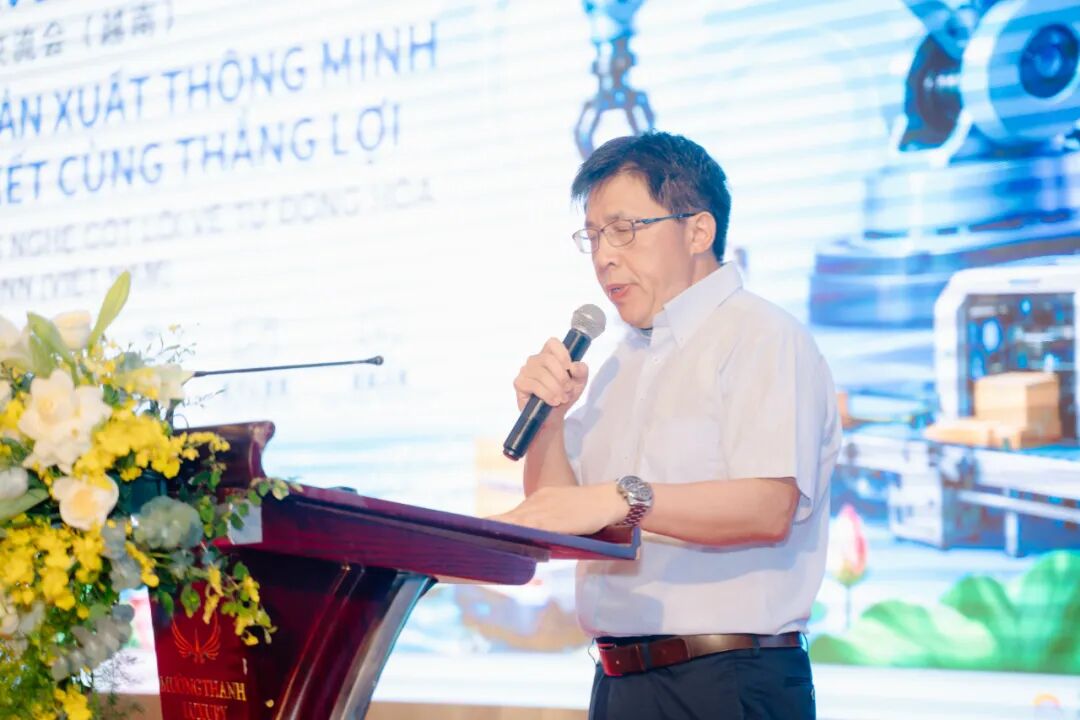
Dr Wang Shuhua, Foxconn Technology Group
In his address, Vice Governor Mei Shan stated that the Vietnamese government attaches great importance to its strategic partnership with Foxconn and will provide strong support in areas such as policy, land and taxation. It will simultaneously advance the development of local supply chains and the training of technical talent, thereby helping Foxconn to empower the transformation and upgrading of the manufacturing sector through advanced technology. Leveraging Vietnam’s favourable geographical conditions and young workforce, Bac Ninh is accelerating the development of a comprehensive industrial system and is committed to becoming an indispensable core hub within Foxconn’s global manufacturing network.
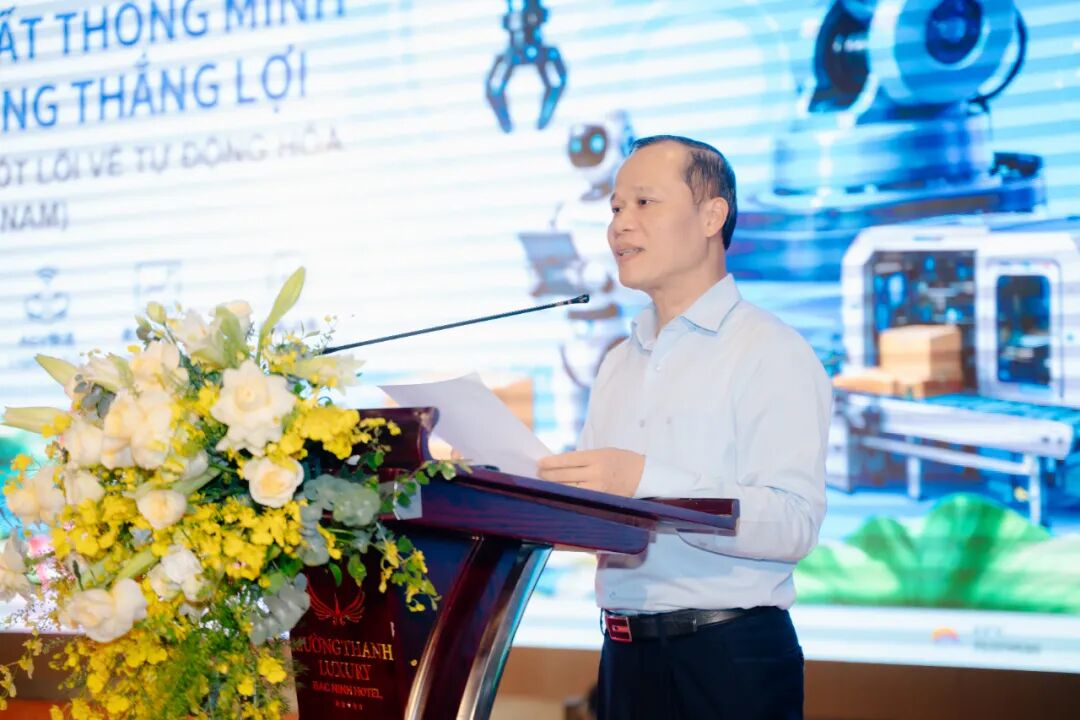
Mei Shan, Deputy Chairman of the People’s Committee of Bắc Ninh Province, Vietnam
Faced with the extreme pressure of accelerating product cycles in the global consumer electronics sector, Mei Hao, Business Director at Bozhong Precision Technology Co., Ltd., pointed out that traditional customised production lines are no longer able to meet the requirements of ‘quick changeovers, high quality and low costs’. BoZhong’s solution is a system-level re-engineering based on a “modular platform + standardised interfaces” approach: 12 standardised functional modules can be freely assembled, reducing the changeover time (CT) of production lines to 5 seconds, achieving ultimate compatibility in flow paths and feeding methods, and enabling a single production line to effortlessly handle product iterations across different generations. He stated that this solution can significantly shorten changeover cycles and reduce hardware investment, perfectly aligning with the flexible and high-precision upgrade requirements of Vietnam’s electronics manufacturing sector, and providing a reliable pathway for the implementation of automation in overseas factories.
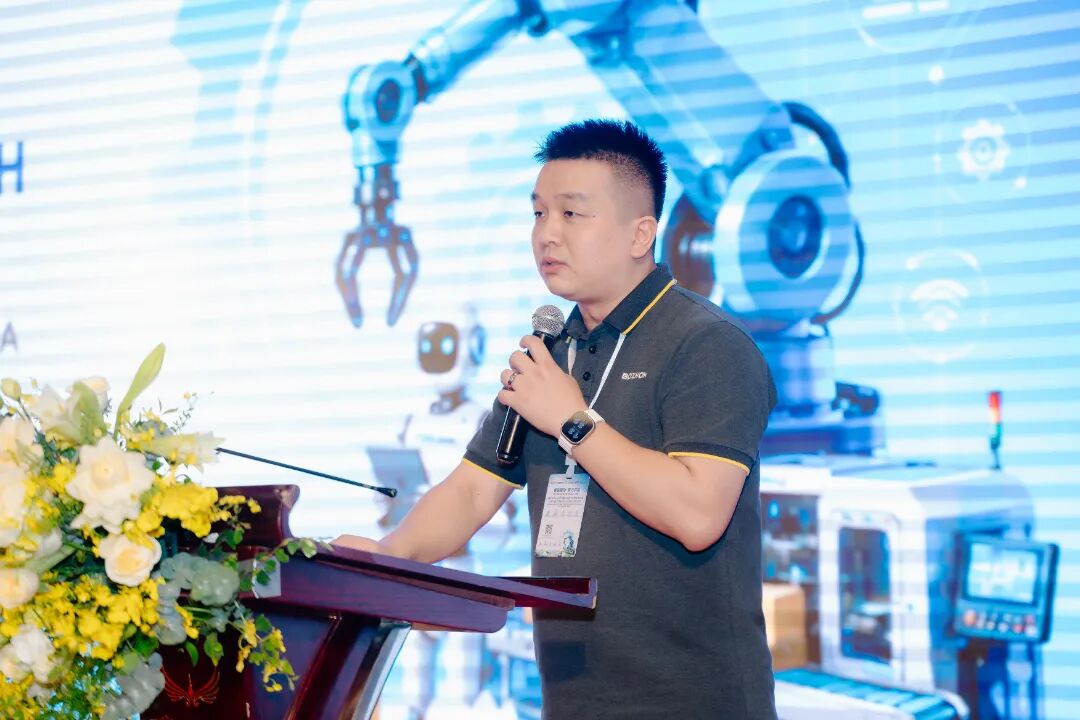
Mei Hao, Business Director, Bozhong Precision Technology Co., Ltd.
Han Yijun, Technology Leader at Teradyne Robotics, believes that inefficient internal logistics, a lack of production line flexibility, and safety risks associated with the coexistence of people and vehicles are key bottlenecks in factory upgrades. He emphasises that the combined use of collaborative robots and autonomous mobile robots (AMRs) can create a closed-loop system for material handling and precision operations: MiR AMRs, with their trackless navigation and 360° safety sensing, handle high-frequency deliveries across zones, whilst UR collaborative robots flexibly perform high-precision tasks such as assembly and inspection. This integrated solution, centred on ‘collaboration + mobility + AI’, can significantly enhance delivery efficiency, free up labour resources and reduce operational costs, providing a replicable model for flexible upgrades in manufacturing across Vietnam and globally.
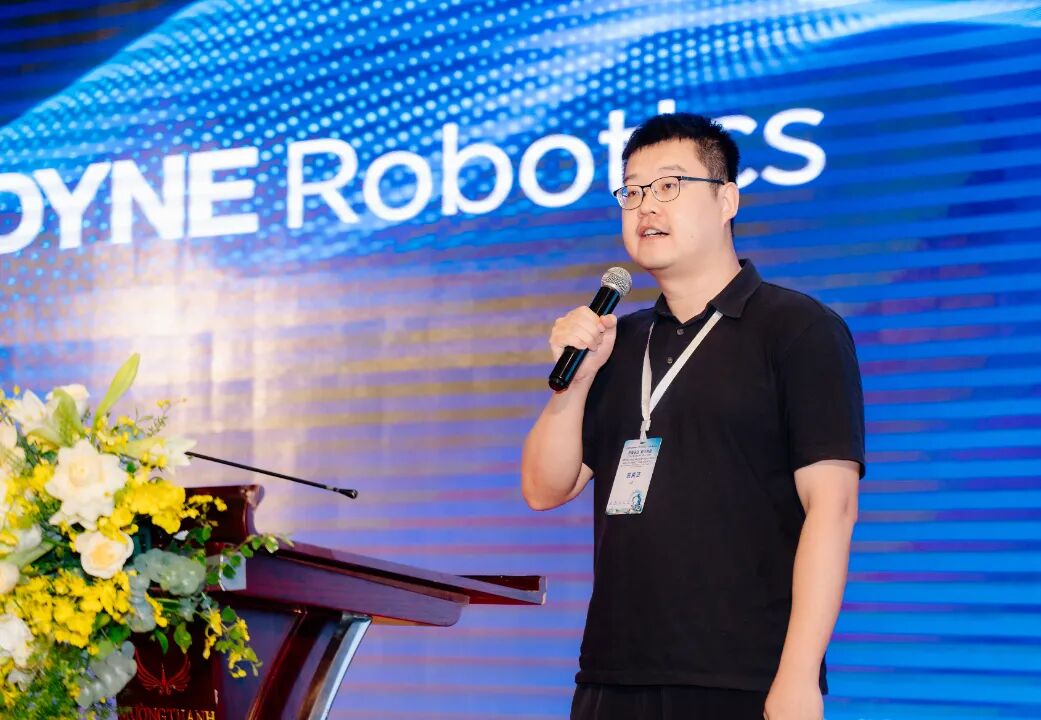
Han Yijun, Technology Leader at Teradyne Robotics
Shi Hongfei, General Manager of Beijing Dongfang Hengyue Technology Development Co., Ltd., spoke about the challenges posed by the shift of manufacturing to Southeast Asia. In response to challenges in the Vietnamese market, such as high procurement costs, a shortage of engineering personnel and lengthy project cycles, Dongfang Hengyue has established a three-tier technical framework comprising foundational R&D, intermediate system integration and top-level application. The company has introduced ‘three-pronged’ solutions – customisation, specialisation and front-loading – to tailor instrumentation to specific requirements, develop specialised testing equipment and optimise test circuit structures, thereby effectively reducing costs, improving efficiency and simplifying maintenance. Having established a strong presence in Vietnam since 2019, Dongfang Hengyue will continue to increase its investment in localisation, using cost-effective testing technology to effectively resolve the operational challenges faced by factories in Southeast Asia.
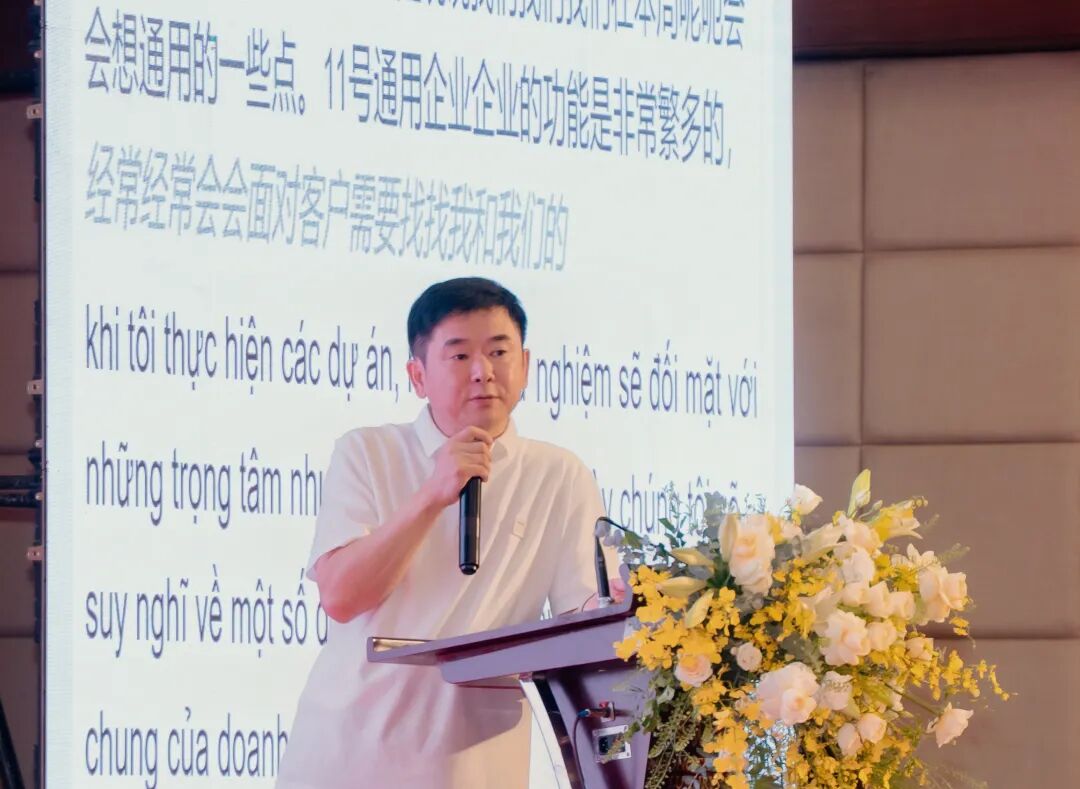
Shi Hongfei, General Manager of Beijing Dongfang Hengyue Technology Development Co., Ltd.
Against the backdrop of the ‘dual carbon’ goals and the trend towards green factories, Lin Ruitong, General Manager of Shenzhen Daoyuan Industrial Co., Ltd., has clearly stated that automated equipment has become a dual vehicle for both efficiency and sustainable development. He believes that the traditional non-standardised model suffers from significant shortcomings, whereas sustainable automation should be based on standardised design, centred on green energy efficiency, and driven by the integration of AI. Full-chain standardisation can significantly reduce costs and improve efficiency, green energy-efficient design enables low-carbon operation, and AI empowerment makes equipment smarter and simplifies operation and maintenance. He stated that, leveraging its local base in Vietnam, Daoyuan Industrial is helping global manufacturing transition from ‘passive automation’ to ‘proactive sustainability’.
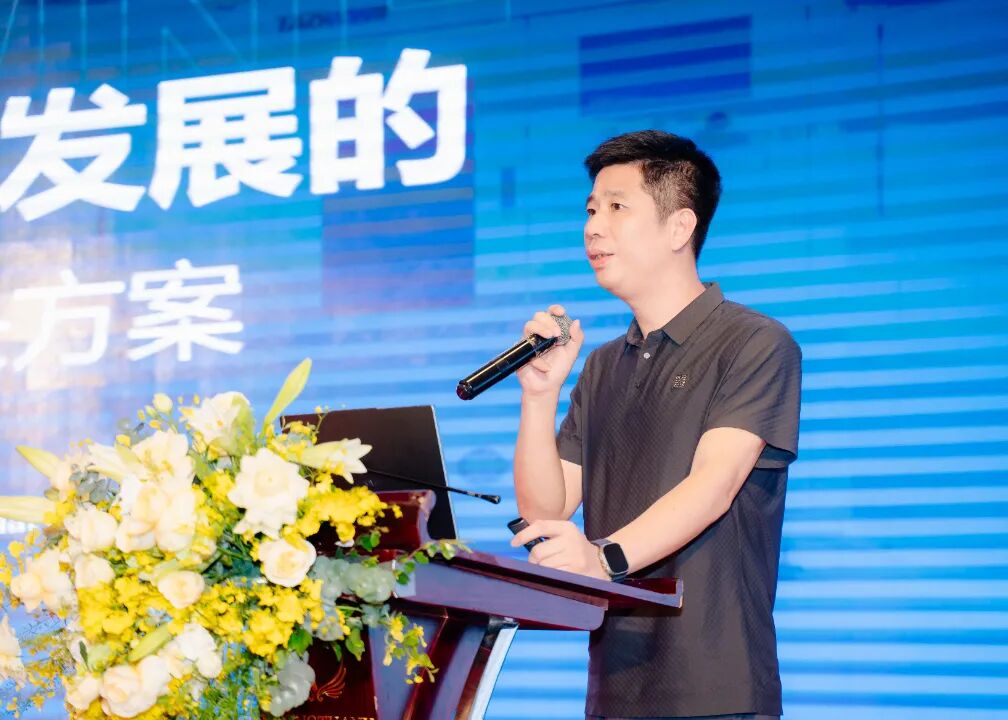
Lin Ruitong, General Manager of Shenzhen Daoyuan Industrial Co., Ltd.
Nian Jia, Deputy General Manager of Hunan Lingxiang Maglev Technology Co., Ltd., noted at the event that magnetic drive conveyance forms the digital and physical foundation of smart manufacturing. The Lingdong MTS magnetic direct-drive conveyance system, derived from maglev high-speed rail technology, utilises magnetic direct drive combined with independent servo control to achieve speeds of up to 5 m/s and a precision of ±5 μm. It effectively addresses the pain points of traditional conveyor lines, such as inflexible cycle times, high wear and tear, and excessive energy consumption. Leveraging an integrated platform encompassing design simulation and intelligent operation and maintenance, the system enables rapid production line planning, one-click code generation and predictive maintenance. It covers the full spectrum of 3C, lithium-ion battery and semiconductor applications, supporting on-the-fly assembly and welding, uninterrupted operation during power outages and rapid changeovers, thereby providing a new, highly reliable paradigm for intelligent conveying in global manufacturing.
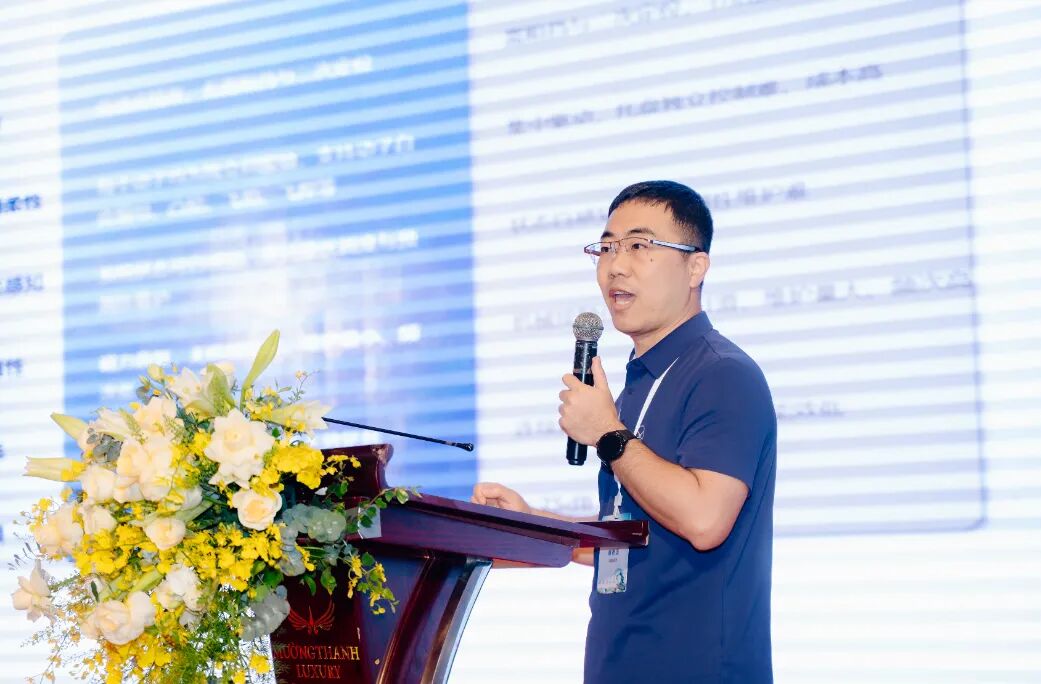
Nian Jia, Deputy General Manager of Hunan Lingxiang Maglev Technology Co., Ltd.
Against a backdrop of rapidly increasing production line complexity and high on-site commissioning costs, Wang Sen, Senior Key Account Director for the Electronics and Semiconductor Industry at Siemens Greater China, proposed a solution of ‘turning a reactive approach into a proactive one’, namely the deep integration of standardised design, digital simulation and AI. As a global leader in digital industry, Siemens has significantly shortened R&D cycles and lowered the barriers to operation and maintenance through standardised process templates and IT/OT integration tools such as WorkEasy Cube. Leveraging tools such as Process Simulate and AF, Siemens has established a comprehensive solution covering process simulation and digital twins, achieving a closed-loop data system from design through to operation and maintenance. Wang Sen emphasised that this integrated, one-stop hardware and software solution is helping customers enhance engineering efficiency and market competitiveness, paving the way for the next stage: factory digital twins and the industrial metaverse.
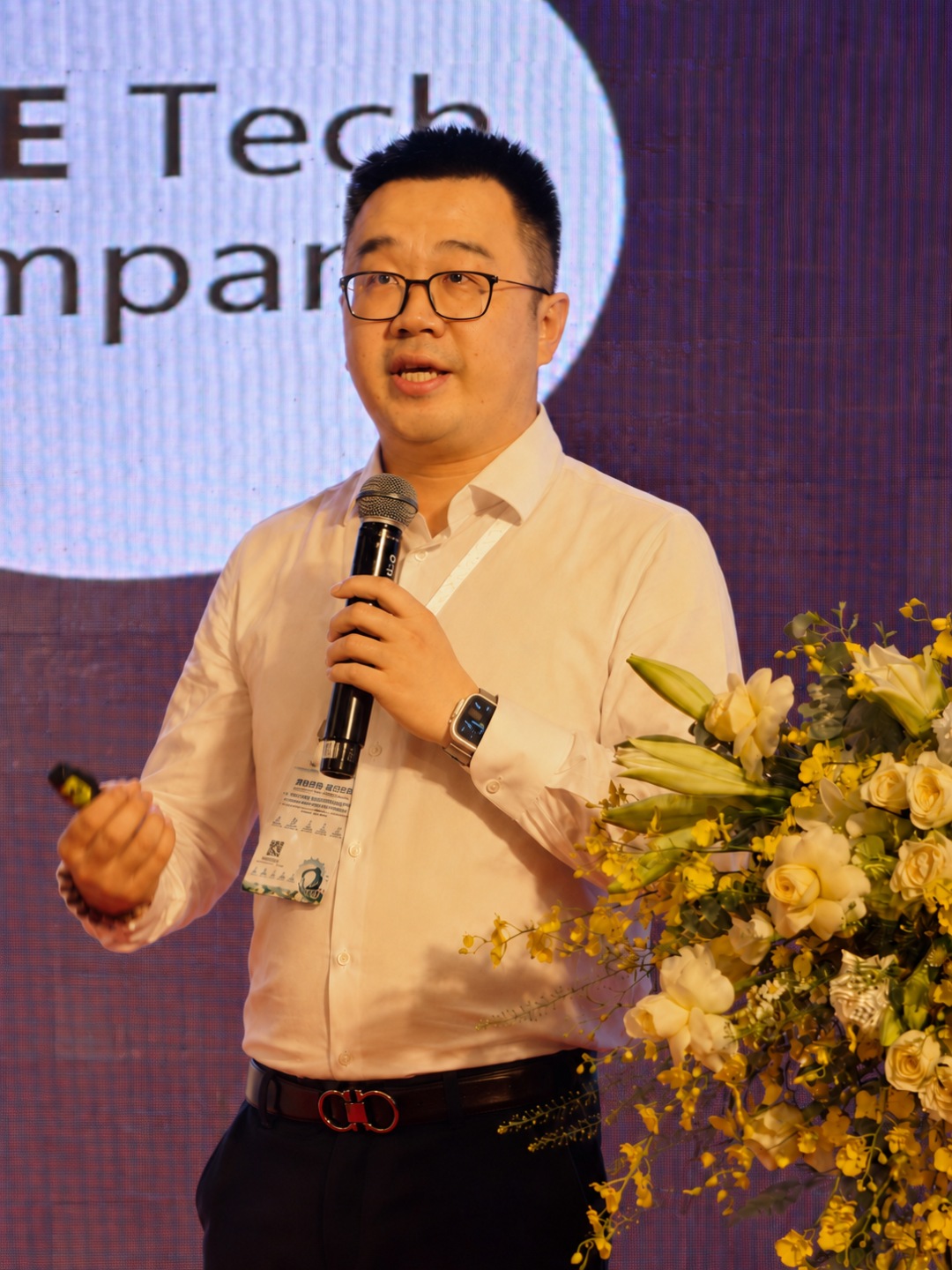
Wang Sen, Senior Key Account Director, Electronics and Semiconductors, Greater China, Siemens
Faced with the challenge of various types of robots—such as those used for material handling, assembly and inspection—operating in isolation within factories and struggling to coordinate, He Guorong, CTO of Yunzhihui Technology Services Co., Ltd., pointed out that the core of smart manufacturing lies in unified scheduling and data integration. Positioning itself as a provider of ‘robotics + AI’ field solutions, Yunzhihui’s platform is compatible with all categories of robots, offering comprehensive solutions for scenarios including material handling, assembly, loading/unloading, inspection and cleaning. Through an integrated scheduling platform, it enables flexible collaboration and transparent operations. Leveraging the AI Agent management platform and a unified AI foundation, the company utilises modular tools to accelerate development, significantly enhancing deployment efficiency and collaborative effectiveness. He Guorong stated that the platform enables robots to operate more intelligently, production lines to be more flexible, and management to be more efficient.
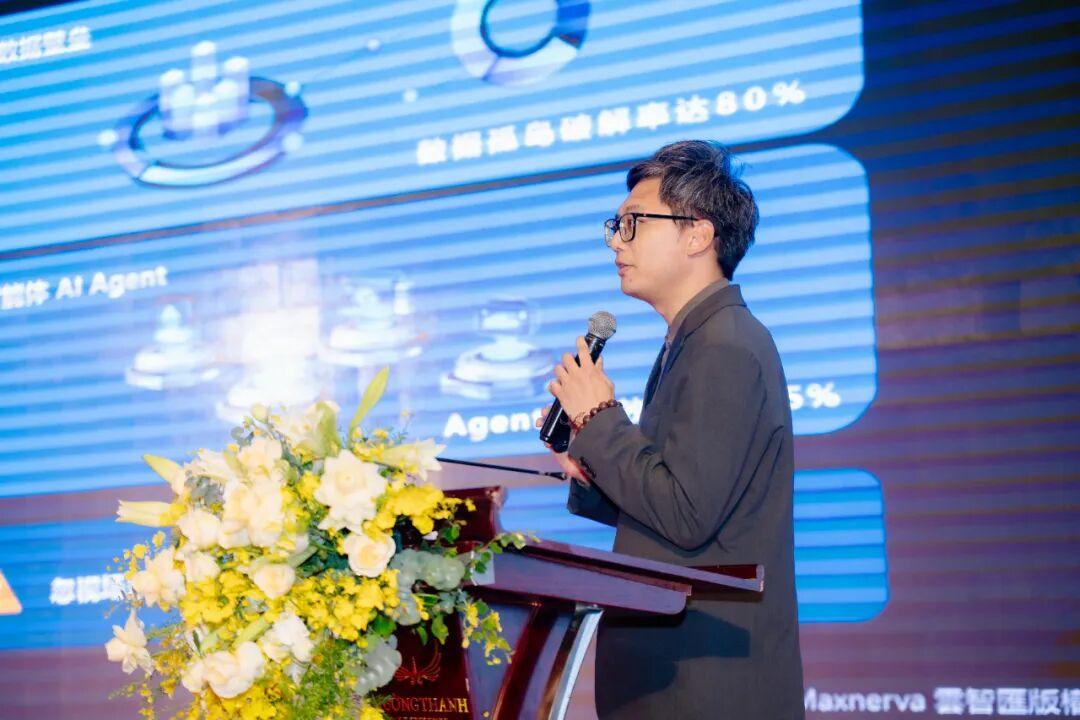
He Guorong, CTO of Yunzhihui Technology Services Co., Ltd.
The deep integration of visual perception and motion control is central to achieving ‘accurate vision and precise motion’, and is also key to addressing the challenges faced in precision inspection and high-precision assembly within the 3C and semiconductor industries. Dong Hao, Chairman of Suzhou Linghou Robotics Co., Ltd., pointed out that Linghou Robotics has built a full-stack product line covering machine vision, direct-drive motors, industrial robots and process software around these two foundational technologies. Leveraging original optical technologies such as liquid lenses, 360° internal wall imaging and multi-angle inspection, the company has overcome the challenges of inspecting deep holes and highly reflective materials, achieving micron-level imaging. In terms of motion control, its five-axis dispensing platform, through an integrated hardware and software design, achieves a 50% increase in efficiency compared to traditional solutions. Dong Hao stated that Linghou will continue to focus on innovative integration of vision and motion control, creating more precise and flexible sensing and execution capabilities for 3C smart manufacturing.
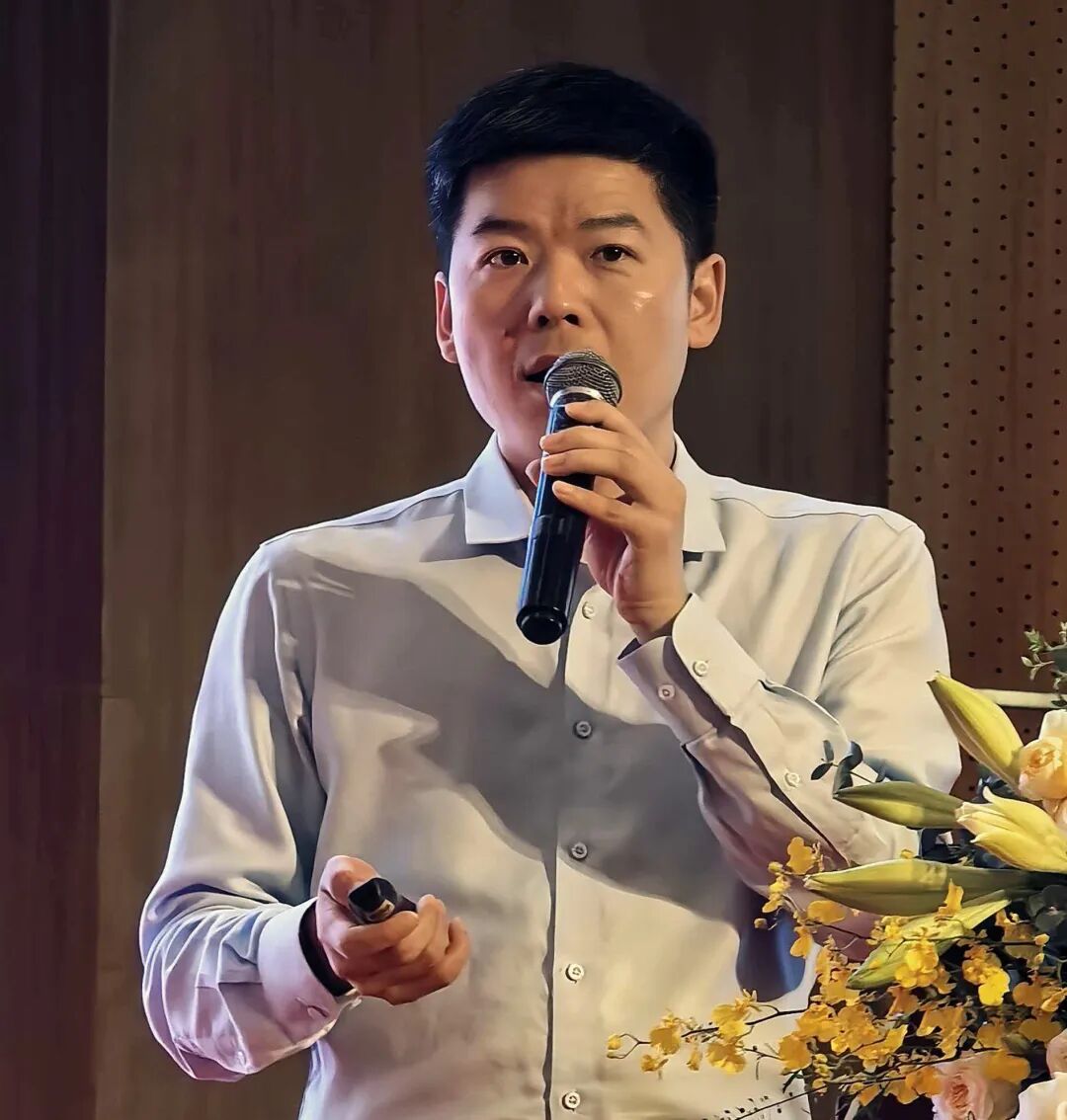
Dong Hao, Chairman of Suzhou Linghou Robotics Co., Ltd.
Addressing the key challenges facing Vietnam’s 3C industry—such as tight lead times, non-standardised processes and space constraints—Lin Shangyong, Director of the 3C Industry at Leisi Intelligent, pointed out that the key to overcoming these challenges lies in a three-pronged approach combining “product standardisation, process modularisation and collaborative solution development”. Leisi has established a comprehensive product portfolio covering the entire control, drive and execution chain, and has launched three flagship solutions: auxiliary material lamination, five-axis dispensing and curved surface inspection. Lin Shangyong revealed that Leisai has already established service centres in Bac Ninh and Ho Chi Minh City, Vietnam. The company plans to launch a branch office and local warehouse by 2026, providing 24/7 technical support to offer stable backing for the flexible upgrading of Vietnam’s 3C smart manufacturing sector and the overseas expansion of Chinese enterprises.
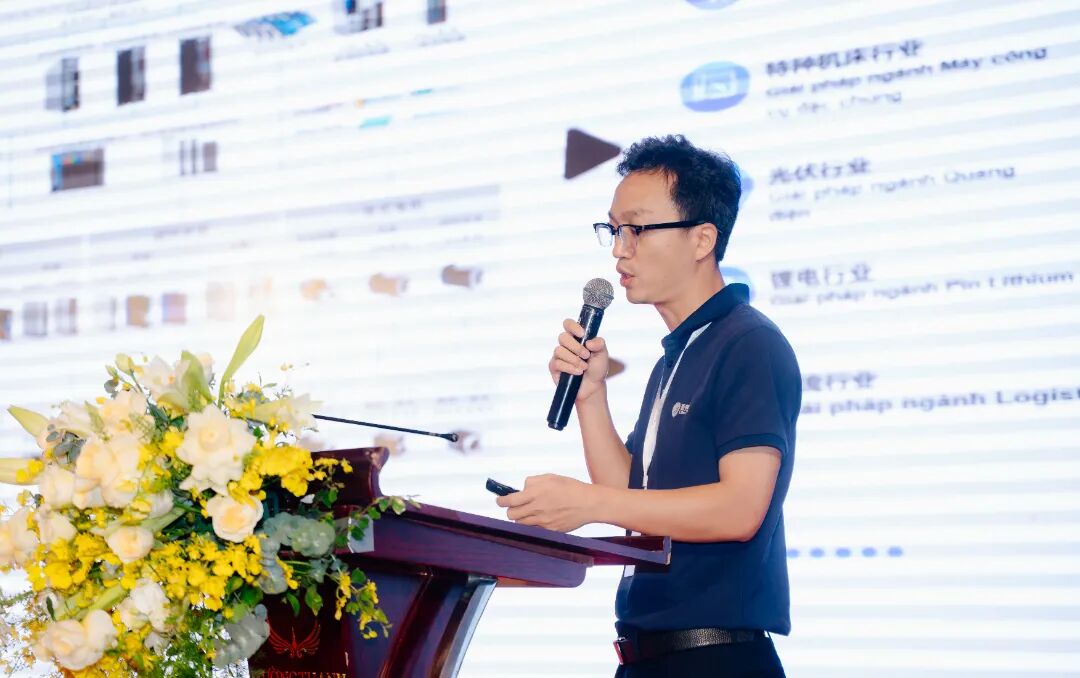
Lin Shangyong, Director of the 3C Industry at Leisi Intelligent
As the manufacturing sector faces the twin challenges of product homogenisation and overcapacity, magnetic levitation technology is emerging as a breakthrough for reshaping production logic. Zhou Jinming, R&D Director at Guoli Intelligent Manufacturing (Shanghai) Technology Co., Ltd., stated that Guoli Intelligent Manufacturing has pioneered a new paradigm of ‘flexible intelligent control’ by deeply integrating magnetic levitation with AI, creating five major product matrices: iTS Ring / Shuttle / Heavy-duty, iWS logistics lines and ultra-compact moving elements, achieving micron-level precision and high-speed asynchronous control, with capabilities such as rapid positioning, branching and merging. In sectors such as 3C and lithium batteries, this can boost production capacity, reduce floor space and lower operational and maintenance costs. This mature, domestically developed magnetic levitation solution is providing efficient, flexible and green conveying support for smart manufacturing in Vietnam.
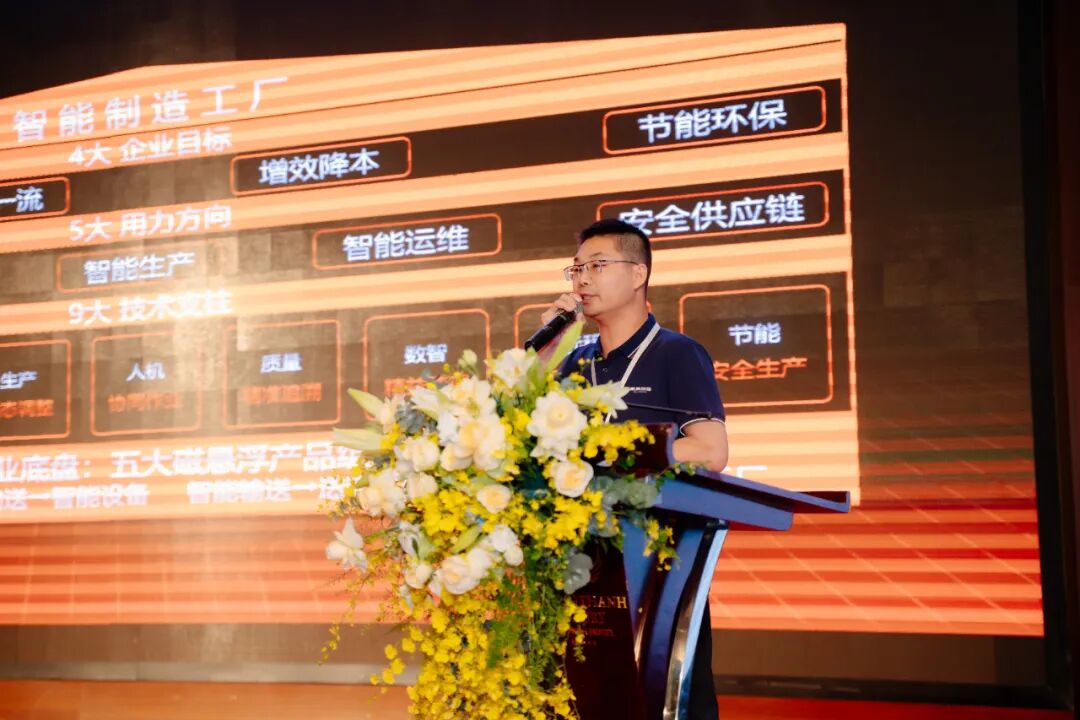
Zhou Jinming, Director of Research and Development, Guoli Intelligent Manufacturing (Shanghai) Technology Co., Ltd.
In his closing remarks, Dai Wanlong, Manager of the Central Smart Manufacturing Platform at Foxconn Technology Group, stated that the successful staging of this event marked a significant step forward for China’s smart manufacturing sector as it expands into overseas markets. He emphasised that Foxconn Technology Group is accelerating its global smart transformation and the strategic roll-out of its ‘Lighthouse Factory’ initiative. As a key driving force, the Central Smart Manufacturing Platform has fully empowered the intelligent upgrade of the Vietnam facility. Looking ahead, we will seize this opportunity to conduct more extensive technical exchanges and introduce cutting-edge technologies across our major production bases worldwide. We hereby extend a sincere invitation to partners across the entire supply chain to join hands in building a new ecosystem for smart manufacturing and to work together to chart a fresh blueprint for global automation.
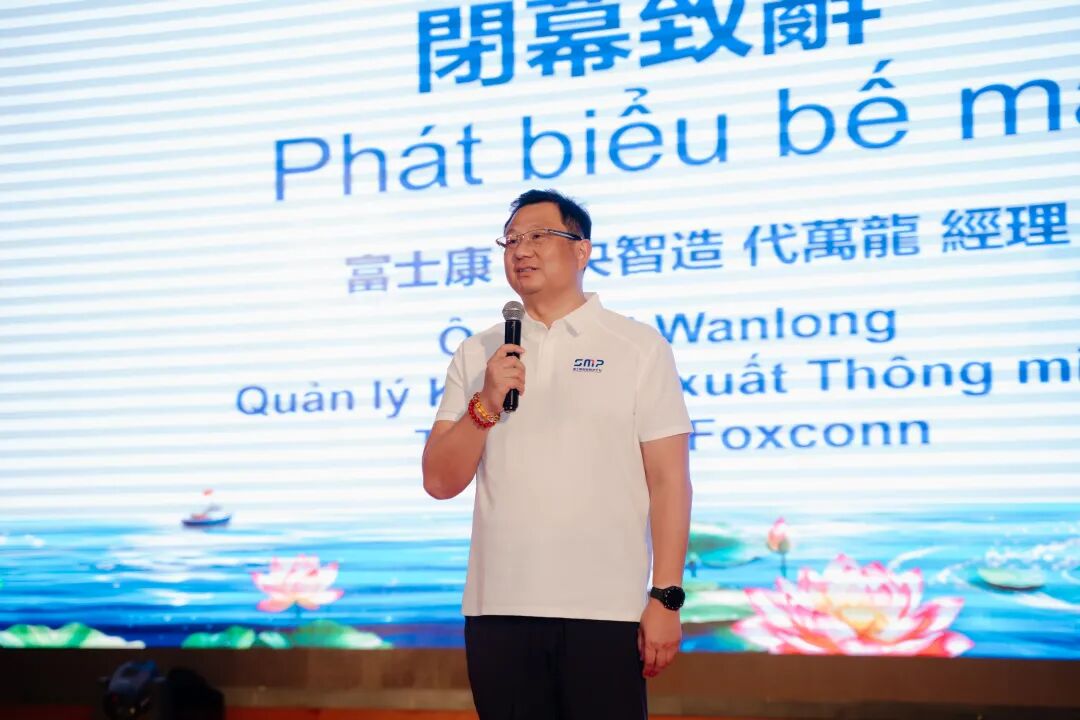
Dai Wanlong, Central Manufacturing Manager, Foxconn Technology Group
 鄂公网安备 42018502001971号